
Restoring Smooth Operation with Professional Garage Door Repair
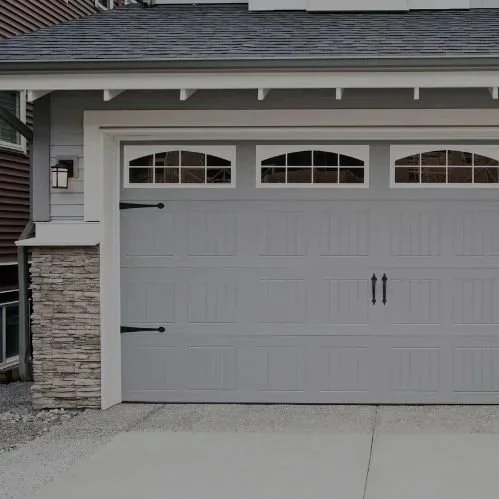
Maybe it's 7:45 A.M., coffee in one hand, keys in the other, and the garage door decides today's not the day it's opening.
When garage doors start throwing tantrums, it's never at a convenient time. Maybe it's 7:45 A.M., coffee in one hand, keys in the other, and the garage door decides today's not the day it's opening. Or maybe it groans louder than a teenager on a Monday morning. Either way, it's time to call in the professionals.
Garage doors are mechanical marvels—until they aren't. That smooth, whisper-quiet glide can turn into a jerky, screeching mess faster than you can say "backed up schedule." When garage doors fall out of step, professional repair services step in with the right tools, training, and—let's be honest—a lot less head-scratching.
Diagnosing the Real Culprit
Not every garage door problem announces itself with sparks and smoke. Some issues sneak up quietly. One day, the door just seems to move more slowly. Then it starts closing crookedly. Next thing you know, it's stuck halfway open like it's lost interest in finishing the job.
Professionals begin with a thorough inspection to identify the true cause. Sometimes it's a frayed cable or a spring that's lost its spring. Other times, a misaligned track or worn rollers are the sneaky troublemakers. It's never about guesswork; it's about figuring out which component threw a wrench in the workflow. Garage doors might look simple on the outside, but behind the panels are tension-loaded systems, high-cycle parts, and hardware that demands precision. Getting the diagnosis right from the start avoids patch jobs that unravel faster than a mystery novel's ending.
The Mighty (And Sometimes Terrifying) Torsion Spring
Springs are the muscle behind the garage door. Without them, the opener wouldn't stand a chance against that heavy slab of steel or wood. But when a spring breaks, the garage door doesn't just sulk—it stops moving entirely. Worse, a broken spring can throw the whole system off balance, turning routine use into a safety risk.
Torsion springs work under serious tension. Adjusting or replacing them isn't a job for even the most enthusiastic YouTube tutorial watcher. Professional repair technicians bring experience, tension-calibrated tools, and something else the average DIYer doesn't have: insurance. Once the old spring comes down safely and the new one goes up with just the right torque, the entire door breathes a little easier. No groaning. No resistance. Just smooth, cooperative motion like it's supposed to be.
Cables and Rollers: The Unsung Heroes
Cables and rollers don't usually steal the spotlight, but they're essential for keeping garage doors on track—literally. Cables counterbalance the weight, while rollers keep the movement fluid and aligned.
Over time, cables fray, snap, or loosen. Rollers wear down, get chipped, or seize up entirely. When that happens, the door starts to strain or lean, make odd noises, or flat-out refuse to move. Replacing these parts isn't just a matter of snapping in new ones. Cable tension needs to be carefully managed, and the rollers have to be compatible with the door's weight and design. Professional repair services come prepared with matching parts and the know-how to get everything back in sync without trial-and-error.
Track Adjustments: When the Door Veers Off Course
Garage door tracks are like train rails-slightly off, and the whole thing derails. A door that rubs, sticks, or opens at a slant is probably misaligned. That's not just annoying; it's risky. A stuck door can trap vehicles, damage the opener, or worse, drop unexpectedly.
Repair technicians don't just bend the tracks back with a crowbar and hope for the best. They loosen the mounting brackets, realign the rails to factory specs, and test the operation multiple times to confirm everything lines up perfectly. And while they're at it, they check for dings, rust, or structural weakness. A track that's been bent out of shape often has a story to tell, and it's not always a happy one.
Motor Mayhem and Opener Outbursts
Sometimes the door itself is perfectly fine, but the opener has decided to rebel. Motors wear down, gears strip, remotes lose connection, or sensors throw fits over a spiderweb. (Yes, a spiderweb. Those sensors are dramatic.)
Professional repair services approach openers with a blend of electrical savvy and mechanical troubleshooting. They check the circuit board, limit switches, safety sensors, and drive system, whether it's chain, belt, or screw-driven. If the opener needs replacing, professionals help match the model to the door's size, weight, and usage. A heavy wood door with a puny motor is like pairing a racehorse with roller skates. Not ideal. The right opener makes all the difference in performance and longevity.
Weatherstripping Woes and Air Leaks
When the garage door isn't sealing properly at the bottom, it's more than just a draft—it's an invitation. Pests, dirt, water, and cold air all find their way in through that tiny gap. Plus, it's a fast track to higher energy bills.
Repair services replace worn or missing weatherstripping with new material that fits snugly and withstands the elements. It's a small fix that pays off big in comfort, cleanliness, and energy savings. In some cases, the door itself needs minor adjustment to sit evenly on the threshold. Once it does, the garage transforms from a leaky shed to secure storage.
Safety Features That Mean Business
Modern garage doors are smarter than ever. They come with auto-reverse sensors, emergency release cords, and soft-start motors. When any of these safety features stop working, it's more than a glitch; it's a hazard.
Professionals test every safety mechanism during a repair visit. That includes checking sensor alignment, verifying door reversal response time, and making sure emergency releases are functional and accessible. Safety isn't just for peace of mind. It's a requirement for every modern garage door system. If something's off, professional repair brings it back to code without cutting corners.
Cosmetic Damage Still Deserves Attention
Dents, dings, and warped panels might not stop a garage door from opening, but they can lead to bigger problems. Warped sections throw off the balance. Dented tracks affect movement. And let's face it—a mangled door is an eyesore.
Repair pros often replace individual panels rather than the entire door, saving money while restoring curb appeal. Matching finishes, realigning sections, and smoothing out cosmetic defects give a garage a much-needed facelift. No need to pretend it was a "design choice." Professionals can usually trace the damage and recommend upgrades or reinforcements to prevent a repeat performance—like, say, backing into it at three mph.
Routine Maintenance Is the Unsung Hero
Waiting until something breaks is like only going to the dentist when a tooth falls out. Routine garage door maintenance can prevent 90 percent of the issues that lead to emergency calls.
That includes lubricating moving parts, tightening loose bolts, testing spring tension, cleaning the tracks, and calibrating the opener. Professional services offer maintenance plans that keep everything humming along without the drama. Scheduled visits mean fewer surprises, better performance, and longer equipment lifespan. Plus, it's a great excuse to avoid dealing with it solo when the opener starts making that weird clicking noise again.
Restoring Function and Sanity, One Door at a Time
Garage door repair isn't about pushing buttons and hoping for the best. It's a process that combines mechanical skill, safety awareness, and an appreciation for the little things, like doors that actually open when asked. Professional services bring tools, training, and a little humor to what can be a surprisingly frustrating problem. The result? A garage door that rolls up, rolls down, and stays blissfully quiet while doing it.
Mesa Garage Door Repair offers professional repairs, including garage door repair, spring installation and replacement, garage door tune-ups, off-track garage door, and roller replacement to Mesa, AZ, homeowners. We are licensed and insured and aim to provide the best possible solution for all your garage door needs. Call now to schedule an appointment.
