
Restoring Functionality to Misaligned Garage Doors
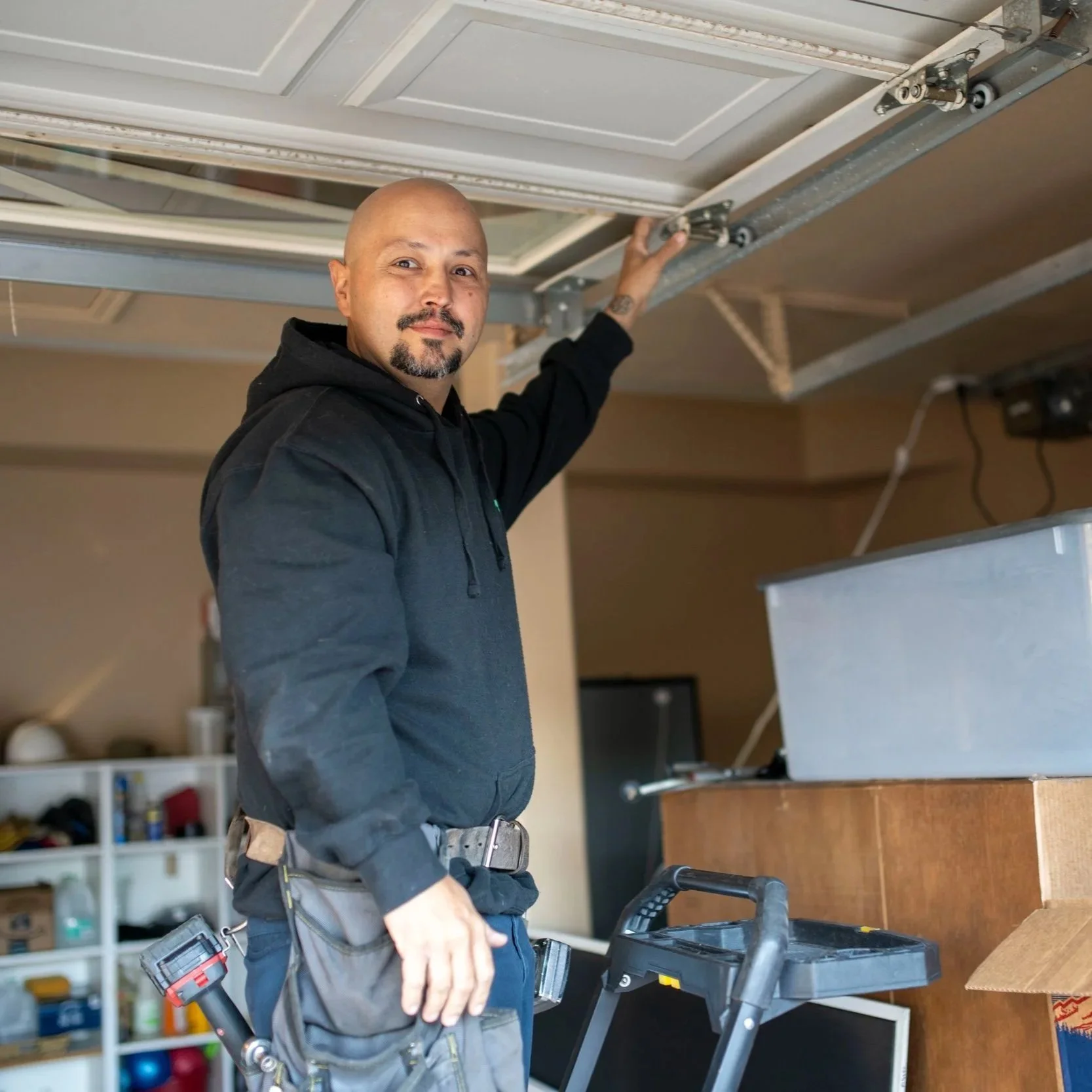
Misalignment usually sneaks in quietly—an off-kilter roller here, a loose bolt there—until one day the entire door looks like it’s had enough and tries to twist itself free
Understanding What Throws a Garage Door Off Track
Garage doors have one job: open, close, repeat. But when the rollers jump the rails, that routine turns chaotic fast. Misalignment usually sneaks in quietly—an off-kilter roller here, a loose bolt there—until one day the entire door looks like it’s had enough and tries to twist itself free.
The most common culprits include impact from a car bumper, a misbehaving spring, or simply wear from years of up-and-down. Tracks can shift, bend, or develop subtle gaps that gradually loosen rollers. Without intervention, that small misalignment evolves into a much louder—and heavier—problem.
Recognizing the Early Warning Signs
Garage doors rarely go off track without a few warning signs. Grinding noises during operation, uneven travel, or doors that look slightly crooked when fully closed all raise red flags.
Sometimes the movement becomes jerky, like the door’s nervous about finishing its descent.
In other cases, one side might lift higher than the other, or rollers begin hopping along the track like a bad amusement park ride. Those are clear indicators that a problem is brewing. Letting it slide only increases the chances that the whole system will seize up—or worse, collapse.
Assessing the Damage with a Trained Eye
Misalignment isn’t always dramatic. Sometimes it’s a matter of a roller riding too close to the track’s edge, or a cable winding unevenly. Professionals start by locking the system in place and visually inspecting each component—tracks, rollers, brackets, and fasteners. Every element gets evaluated with a healthy dose of skepticism.
Damage isn’t limited to what’s visible. Subtle structural changes can shift mounting points, especially in older garages. A full inspection might reveal worn hinges, stretched springs, or brackets hanging on by a thread. By spotting these hidden risks, the technician can correct more than just the symptom.
Stabilizing the System Before Making Adjustments
Before touching a track, the system must be stabilized. A garage door off track is unpredictable. It’s heavy, it’s unbalanced, and it’s ready to make gravity do its thing. Clamps and locking pliers are used to keep everything still, like putting a wild animal in a safe enclosure.
Once secured, the door becomes less of a threat and more of a puzzle to solve. Professionals identify which side has shifted, where the roller escaped, and how to gently guide everything back without forcing the issue. That kind of precision takes more than a good grip—it takes strategy.
Reshaping and Realigning Bent Tracks
Sometimes the tracks themselves have suffered. A hard impact can bend the metal, creating a gap or pinch point that throws the roller off course. Tracks must be either realigned or, in some cases, replaced entirely.
Gentle reshaping tools, such as mallets and alignment bars, allow technicians to adjust track curves without compromising their integrity. When the track is too far gone, a new section is installed and carefully positioned to match the existing hardware. Either way, the goal is a perfectly parallel and level set of rails that guide the door smoothly, without friction or resistance.
Replacing Damaged or Worn Rollers
A door can’t glide without healthy rollers. When they wear down, crack, or jump the rail altogether, the damage spreads fast. As friction increases, the motor strains, and the track alignment suffers.
After a derailment, each roller gets a close-up. If it’s chipped, flat-spotted, or seized up, out it goes. Fresh rollers with smooth bearings and durable housings are installed in their place. Lubrication follows—a carefully applied layer that allows the roller to spin freely without attracting every speck of garage dust in the tri-county area.
Checking Cable and Spring Tension
Misalignment often affects cable tension. A cable that slips off its drum or winds unevenly causes one side of the door to rise faster than the other. The added stress can yank the track out of position or throw the roller alignment off balance.
Professionals rewind cables carefully, applying consistent tension across both sides of the system. Springs also come under scrutiny. If one spring carries more load than the other, it can cause subtle lifting differences that eventually cause misalignment. Even minor imbalances are corrected before the door is tested again under motion.
Securing Hardware for Long-Term Alignment
Loose bolts and sagging brackets love to sabotage garage door tracks. Vibration from years of use shakes things loose—especially when fasteners weren’t installed with long-term strength in mind. Track alignment can only hold if the hardware behind it stays put.
Every bolt gets checked, tightened, or replaced as needed. Brackets are leveled and anchored to firm studs. If the original installer relied solely on drywall, that oversight is corrected with heavy-duty anchors that bite into solid structure. The result is a garage door track that stays in place through heat, humidity, and the occasional accidental nudge.
Recalibrating Opener Force Settings
A misaligned garage door often messes with the opener’s brain. If it senses resistance where there shouldn’t be any, it might reverse unexpectedly or stop halfway. Force settings—how much power the opener uses to move the door—need to match the door’s current alignment and balance.
Once everything’s realigned, the opener is tested and recalibrated. Upward and downward forces are adjusted just enough to handle the door’s weight without overcompensating. That careful balance prevents motor wear and adds an extra layer of safety for users who depend on smooth, reliable operation every time.
Testing for Full Range of Motion
After a repair, the proof is in the movement. A freshly aligned door should glide evenly from fully closed to fully open without sticking, dragging, or hesitating. Technicians run the door through several cycles under power, then test it manually to check for balance and lift consistency.
Sensors and auto-reverse features are triggered and observed to verify that everything responds quickly and correctly. No twitching. No slamming. No strange noises that suggest a gremlin moved in behind the garage wall. Only a door that rolls with confidence and rests in its tracks like it always belonged there.
Providing Preventive Recommendations
Once functionality is restored, future problems come into focus. Professionals often suggest minor adjustments to prevent the issue from repeating. That might include trimming back stored items that crowd the track, installing a floor bumper, or creating a visual parking guide to stop overzealous fenders from colliding with the track again.
They might also recommend tune-ups at regular intervals. Garage doors are creatures of habit, but even habits benefit from occasional intervention. Preventive care catches small issues early, sparing the homeowner from a repeat of the same off-track saga.
Why Prompt Service Matters
A misaligned garage door isn’t just an eyesore—it’s a hazard. When one side moves freely and the other drags, the entire door becomes a mechanical tug-of-war. Springs lose calibration, openers overwork themselves, and safety features become unreliable.
Addressing the problem early prevents a full-scale breakdown. No one wants to come home to a door that’s frozen halfway, refusing to budge. Restoring functionality doesn’t mean rushing through a fix—it means applying careful adjustments and smart reinforcements that keep the system stable for the long haul.
Treating the Garage Door Like the Workhorse It Is
Garage doors might not get the same affection as living room furniture or kitchen appliances, but they do the heavy lifting day in and day out. A realignment service restores their dignity—and their function. Every roller, bracket, and bolt gets the attention it deserves. No cutting corners, no band-aid solutions.
Professionals don’t just realign doors. They restore order to a system that’s lost its rhythm. And when that system rolls smoothly once more, it turns every arrival and departure into something quiet, reliable, and hassle-free—exactly how a garage door should behave.
Mesa Garage Door Repair offers professional repairs, including garage door repair, spring installation and replacement, garage door tune-ups, off-track garage door, and roller replacement to Mesa, AZ, homeowners. We are licensed and insured and aim to provide the best possible solution for all your garage door needs. Call now to schedule an appointment.
