
Ensuring Balanced Operation with Drum Replacement
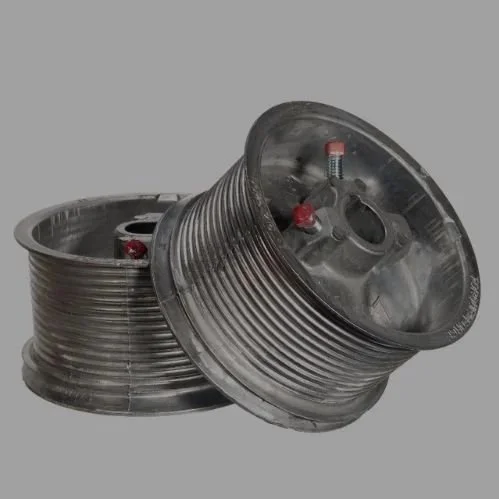
One of the stars of that performance is the drum—the circular, grooved component responsible for winding and unwinding the cables that lift the door smoothly.
Garage doors might seem like oversized slabs of steel and insulation, but their operation is actually a finely tuned ballet. One of the stars of that performance is the drum—the circular, grooved component responsible for winding and unwinding the cables that lift the door smoothly. When the drum wears out, goes out of alignment, or cracks under pressure, that graceful lift can turn into a clunky, crooked mess. Suddenly, your garage door looks more like a carnival ride gone rogue than a functional entryway.
That's where professional garage door drum replacement swoops in, cape optional but highly recommended. With precise adjustments, proper hardware, and no unnecessary drama, the right service can restore that heavy slab to its former smooth, balanced rhythm.
Identifying Drum Trouble Before the Door Throws a Tantrum
Garage door drums don't scream for attention. They whisper—at first. Maybe the door jerks slightly while opening. Maybe one side moves faster than the other. A little squeal here, a groan there. Left unchecked, those tiny clues eventually give way to frayed cables, grinding sounds, and doors stuck halfway up like they just gave up halfway through their commute.
Professionals know how to read the signs. A tilted door, uneven tension, or cables that seem to have minds of their own usually point straight to drum damage. Cracked drums or grooves worn down from years of cable friction are easy to miss from the ground, but during a maintenance visit, technicians spot these issues before they turn into full-on door meltdowns.
Maintaining Balance with the Right Drum Type
Not all garage doors use the same kind of drum, and trying to swap one in like it's a one-size-fits-all accessory is a quick way to start an off-balance saga. There are standard-lift drums, high-lift drums, and even vertical-lift drums, each tailored to a specific door configuration and spring system. Mixing types or sizes throws off the door's weight distribution, causing a lurching, uneven movement.
Trained professionals measure the door, identify the system, and replace the drums with matching models. They also check the maximum weight rating to verify the new drums won't struggle with heavier doors. It's like putting the right shoes on a dancer—without the right fit and support, performance falls flat.
Replacing Drums Without Tangling Cables or Tempers
Cable unwinding sounds harmless enough until someone loses an eyebrow. When a drum fails, the cables can unwind at high speed, creating a mess of tangled steel and potential injury hazards. Attempting to wrangle those cables back into place without proper tools or training quickly becomes the worst kind of tug-of-war.
Professionals replace drums by first securing the door and relieving tension on the springs. With everything stabilized, they remove the damaged drum, inspect the shaft and end bearing plates, and install a new drum with the correct alignment. Once everything's secure, they rewind the cables to the correct tension and test the door's operation from top to bottom: no tangles, no snapped cables, no headaches.
Correcting Crooked Door Behavior
A sagging garage door doesn't just look tired—it can cause damage to tracks, strain the opener, and place extra stress on hinges and panels. Often, a worn or cracked drum is to blame. When one drum slips or fails, the cable on that side loses tension, causing the door to rise unevenly. Over time, the misalignment can become severe enough to pull the door off track.
Professionals don't just slap in a new drum and call it a day. They check the system's full balance, re-center the shaft, and adjust the spring tension to complement the drum replacement. With the cable wrapped evenly and tension matched on both sides, the door opens and closes in sync again—no more dragging, binding, or groaning.
Extending Cable Life with Fresh Drums
When a drum starts wearing out, it doesn't just affect movement—it becomes a cable killer. Deep grooves or jagged edges can fray the cable, weakening it strand by strand until it eventually snaps. That leads to sudden drops, emergency calls, and probably a few choice words from whoever was standing nearby.
Replacing worn drums helps preserve the life of the cables. A new drum with clean grooves allows the cable to glide smoothly without chafing or bunching. Professionals also take this opportunity to inspect the cable for existing wear. If needed, they'll replace both components at once for maximum longevity and performance.
Addressing Safety with Precision Work
Garage doors can weigh several hundred pounds. Drums may look small, but their role in managing all that weight is enormous. A faulty drum increases the chance of failure, especially if the cable detaches while the door is in motion. Sudden drops can damage vehicles, floors, and—most importantly—people.
That's why drum replacement is always a professional job. The process involves torsion spring systems that store a tremendous amount of energy. Even small miscalculations can lead to dangerous outcomes. Trained technicians work with safety equipment, correct tools, and a solid understanding of how to safely unwind and rewind these systems. No guesswork. No close calls.
Avoiding Mismatched Hardware
Using a drum that "almost fits" may seem like a shortcut until the opener strains, the cable jumps the groove, and the door jams halfway open like it's indecisive. Manufacturers design drums to pair with specific shaft diameters, track configurations, and door heights. Installing the wrong part can cause slippage, uneven motion, and premature failure.
Professionals match drums to each system's specs—not just diameter, but lift type, cable thickness, and winding capacity. They also replace both drums when necessary to maintain symmetry and function. It's a little like replacing brake pads: one new part won't do much good if the other side is still hanging on by a thread.
Fine-Tuning for Quiet Performance
A squeaky drum isn't just annoying—it's a clue that something's rubbing the wrong way. Whether it's the cable grinding in a worn groove or a misaligned shaft causing metal-on-metal friction, squealing, scraping, or chattering noises can often be traced to drum trouble.
After installing a new drum, professionals go the extra mile by fine-tuning the system. They check for shaft wobble, bearing plate wear, and correct tension across the springs and cables. That post-installation finesse is what transforms the garage door from loud and clunky to smooth and silent. It's like tuning a piano, except there are fewer keys and a lot more torque.
Helping Homeowners Spot Early Signs
Garage doors rarely give out without warning. Most homeowners just aren't sure what to listen for. Professionals use each service visit as a teaching moment, pointing out the early signs of drum wear and how to spot trouble before it becomes an emergency.
They might suggest keeping an eye on one side rising faster than the other, watching for cables coming off the drum, or listening for popping sounds near the torsion bar. Armed with a little knowledge, homeowners are better prepared to call for service before things spiral out of control.
Planning Drum Replacement During Routine Maintenance
Drums don't always need replacement on their own. Many homeowners schedule drum work alongside other garage door services, such as spring replacement, cable swaps, or annual tune-ups. It's a smart move—technicians are already up on the ladder, already inspecting the moving parts, and it's far more efficient to address issues in a single visit.
Professionals recommend replacing drums every ten to fifteen years, or whenever signs of wear appear. With proactive service, most drum replacements happen before any major failure, keeping the garage door balanced, dependable, and free of surprise breakdowns.
Rebalancing the Door After Installation
A fresh drum won't help much if the rest of the door is still struggling to find its rhythm. After every drum replacement, professionals retest the entire system's balance. That includes resetting spring tension, verifying opener compatibility, and running the door manually to confirm everything aligns.
The goal isn't just functionality—it's smooth, whisper-quiet performance that makes the door feel lighter than it really is. When all parts work in harmony, even the heaviest garage doors move with grace. It's not magic. It's good hardware and better service.
Get comprehensive cable repair and replacement, hinge replacement, remote replacement, garage door drum replacement, and bent door panel replacement with Mesa Garage Door Repair. Serving Mesa, AZ, our licensed and insured technicians ensure that the garage door operates safely and seamlessly. Ours is a locally-owned and operated company that strives to provide the best possible service at affordable prices. Emergency services available. Call now!
