
Choosing Durable Rollers for Long-Term Performance
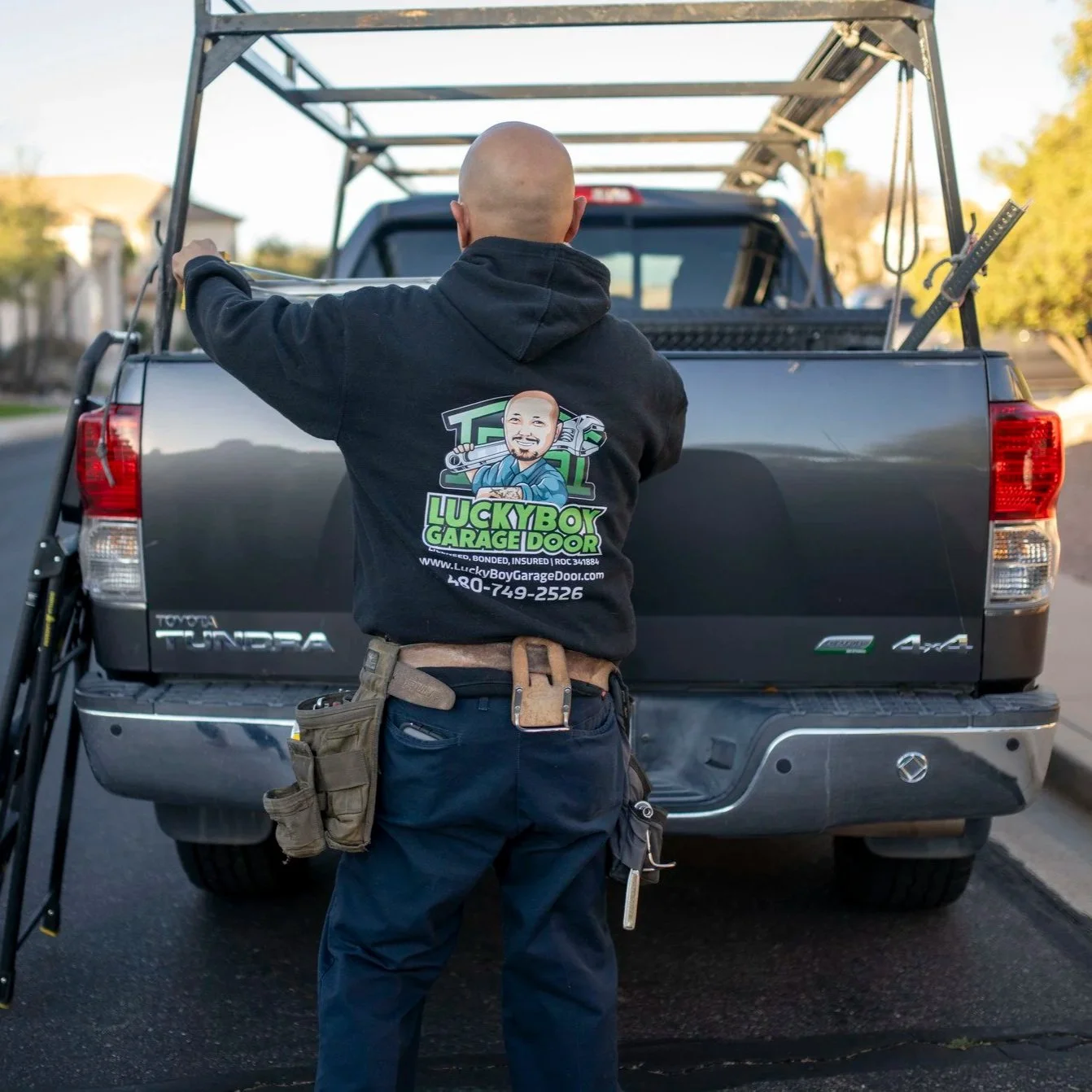
Choosing the right roller for long-term performance means understanding how much work they're doing every day and selecting a design that doesn't flinch under pressure.
Understanding The Workload Rollers Handle
Garage door rollers are often overlooked until the day they protest. They're the wheels that carry the full weight of your garage door every time it opens or closes. Depending on how frequently that door moves, those rollers could be clocking more trips in a week than your car tires. And unlike car tires, they don't have a dashboard light screaming for attention.
Rollers guide the door smoothly along the track, keeping everything aligned and stable. When they work well, they're invisible heroes. When they wear down, things go sideways—literally. A failing roller doesn't just groan or squeak. It can jam the door, grind against the track, or invite its roller buddies to all stop cooperating at the same time.
Choosing the right roller for long-term performance means understanding how much work they're doing every day and selecting a design that doesn't flinch under pressure.
Nylon Versus Steel: Two Roller Personalities
Nylon rollers and steel rollers tend to be the top contenders in the durability showdown. Each one brings a different personality to the track.
Nylon rollers are the smooth operators. They move quietly, don't mind cold weather, and typically run with sealed bearings that require less maintenance. They also don't scrape or damage the track the way old metal wheels sometimes do. For homeowners who enjoy quiet entries and less racket during early morning garage departures, nylon makes a strong case.
Steel rollers, on the other hand, are the muscle. They don't mind heavy doors, frequent use, or a little extra heat in the garage. They'll wear longer than nylon in most situations, especially when the door is commercial-grade or particularly weighty. They do tend to make a bit more noise—more of a rumble than a whisper—, but some customers are perfectly fine with that trade-off.
There's no wrong answer between nylon and steel, but there is a best fit based on the door's size, material, frequency of use, and environmental factors. Professionals know how to match roller type to lifestyle, so the door performs without drama.
Ball Bearings: The Unsung Heroes Inside
Rollers aren't just wheels—they're compact assemblies with moving parts. Inside many high-quality rollers is a set of ball bearings, and those tiny components make a massive difference.
Bearings allow the wheel to spin independently of the shaft, reducing friction and absorbing shock during operation. Without bearings, the roller drags along the track, causing grinding that wears down both the wheel and the track. Bearings that are exposed to dirt and moisture over time can seize up, turning what used to be a fluid roll into a jerky hop.
Sealed bearing rollers are often recommended for long-term performance because the housing protects the bearings from dust, humidity, and debris. That protective layer keeps the roller spinning freely, cycle after cycle, no matter what the weather or garage conditions throw its way.
Diameter and Stem Length Matter More Than You Think
Size may not be everything, but in the roller world, it definitely counts. The diameter of the roller wheel affects how well it stays in the track and supports the door's movement. Most residential doors use two-inch rollers, but heavier systems or older doors might require something different.
The stem—the part that attaches the roller to the hinge—also has to be sized correctly. Too short, and it can pull away from the bracket. Too long, and it could interfere with adjacent components. Precise fit matters. A roller that doesn't match its housing doesn't perform at full capacity, and that mismatch shortens the lifespan of the roller and surrounding parts.
Professionals measure both wheel diameter and stem length before recommending replacements, eliminating guesswork and helping the door operate smoothly from the start.
Why Material Quality Isn't Just Hype
Cheap rollers exist. They roll. They might even look convincing. But the difference between a bargain-bin roller and a high-quality model becomes very clear after a few months of use.
Low-grade plastic rollers tend to flatten out under pressure. They crack in the cold, deform in the heat, and absorb every bump in the track like a worn-out shopping cart wheel. They may cost less up front, but they usually need to be replaced sooner—and they sometimes do more harm than good in the meantime.
Durable rollers are made from impact-resistant materials that hold their shape over time. High-density nylon resists chipping and cracking, while heavy-duty steel stays true under repeated stress. When you choose a better roller, you reduce the chance of early failure and keep the door operating like it's meant to.
The Difference Professional Installation Makes
Even the best roller in the world won't perform well if it's installed improperly. Angle, torque, bracket alignment—all these details affect how the roller interacts with the track and the rest of the system.
Professionals inspect each hinge and bracket before sliding a new roller into place. If there's warping, rust, or fatigue, the component gets swapped out, not just glossed over. The goal is a door that moves like it's fresh off the factory floor—not one that clunks around with fancy new wheels strapped onto a tired old frame.
New rollers also get lubricated correctly from the beginning. Too much grease can collect dust. Too little can cause friction. The right amount, applied in the right places, gives the roller a fighting chance at a long, low-maintenance life.
The Value of Regular Inspection After Installation
Roller replacement isn't a once-and-done story. Like any moving part, rollers benefit from periodic checkups to make sure they're still up to the task. A quick look every six months helps catch early signs of trouble—flattened wheels, bearing noise, or wobble before it becomes a full-fledged problem.
During tune-ups, professionals inspect roller movement, track wear, and overall alignment. If a roller starts to wear unevenly or resist rotation, it's addressed before it drags the rest of the system down. Small adjustments made early often save big repairs later.
Extending Lifespan Through Better Track Conditions
Rollers rely on their environment to stay healthy. A dirty, misaligned, or dented track wears them down faster than any material defect. So part of choosing durable rollers also includes maintaining the space they travel through.
Clean tracks free of grit and debris make a world of difference. So do smooth transitions around the curve and proper alignment at all points of travel. Professionals know where trouble spots tend to form, and they fine-tune the track to give new rollers every advantage possible.
The Reward of Choosing the Right Roller
The payoff for choosing a quality roller isn't always flashy. It's subtle. Doors glide instead of clattering. Openers last longer. Maintenance appointments become less frequent. It's the kind of improvement you notice when something doesn't go wrong for a very long time.
Roller replacement may seem like a small piece of the garage door puzzle, but its impact stretches across the entire system. When the right roller is installed correctly, the whole door breathes easier. Less noise, less strain, and far fewer surprises the next time the garage door decides to go on strike.
Professionals don't just pick a roller and call it a day—they build long-term performance into every decision. Because when your garage door glides instead of fighting, that's not just good design. That's a roller victory.
Mesa Garage Door Repair offers professional repairs, including garage door repair, spring installation and replacement, garage door tune-ups, off-track garage door, and roller replacement to Mesa, AZ, homeowners. We are licensed and insured and aim to provide the best possible solution for all your garage door needs. Call now to schedule an appointment.
