
Reliable Solutions for Worn or Broken Garage Door Cables
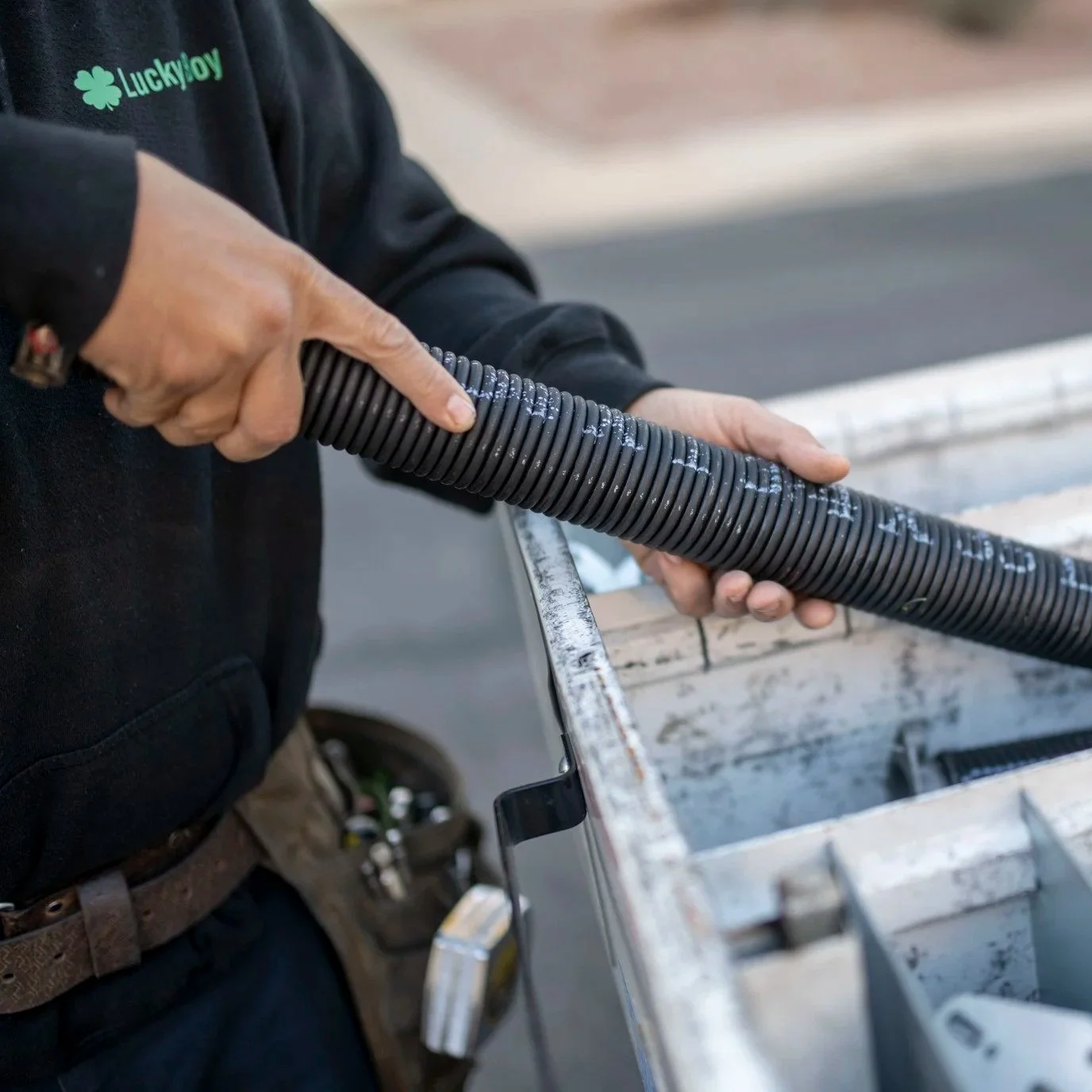
When garage door cables start to fray, unravel, or snap completely, they aren't just being dramatic—they're signaling that something fundamental has gone wrong.
When garage door cables start to fray, unravel, or snap completely, they aren't just being dramatic—they're signaling that something fundamental has gone wrong. Cables play a vital role in keeping garage doors balanced, aligned, and safely controlled. Without functioning cables, even the smoothest-operating system becomes unpredictable. And nobody wants to play a daily game of chance with a 200-pound door hovering overhead.
Garage door cables are not flashy. They don't have buttons or lights. They just wind and unwind quietly while doing an extraordinary amount of work behind the scenes. When those cables wear out, it's not just an inconvenience—it's a safety hazard.
Understanding What Garage Door Cables Actually Do
Cables connect the lifting force of the garage door springs to the door's actual motion. Most doors use torsion or extension springs to offset the door's weight, and the cables make that energy transfer possible. Without properly functioning cables, springs alone can't do their job. The door either doesn't move, slams down dangerously, or hangs crooked like it's auditioning for a haunted house gig.
Cables run along each side of the door and are wound tightly around drums above the tracks. When the door is raised or lowered, those cables spool on or off in sync. Any kink, rust patch, frayed strand, or snap throws off the entire rhythm—and suddenly, a regular Tuesday morning includes a garage door that won't budge or worse, one that comes down faster than your coffee.
Common Culprits Behind Cable Problems
Garage door cables aren't dainty, but they do face daily strain. Over time, the steel wires experience fatigue, especially if the springs or other parts aren't in top shape. Cables can fray as individual strands break. Once a few strands go, the rest follow suit fairly quickly.
Moisture is a frequent enemy. Water seeps into the cable housing or collects near the bottom bracket, and then rust sets in. Cables weakened by corrosion lose flexibility and strength, eventually snapping like an old guitar string under too much tension.
Another common issue is poor alignment. If the drums aren't spinning evenly or the cable winds unevenly, it wears faster on one side. That imbalance can cause one cable to carry too much of the load. When that one gives out, the whole system shifts out of whack. Crooked doors, tilted tracks, and panicked pets often follow.
How Professionals Tackle Cable Replacement
When cable trouble hits, it's tempting to poke around and try tightening a bolt or two. But cables operate under high tension. One wrong move with the winding bar or one misjudged cable angle, and suddenly there's a flying metal whip in the garage. Professional service eliminates that risk while restoring balance and control.
A garage door technician first disconnects power and evaluates the condition of both cables. Even if only one has failed, both are typically replaced together to avoid future imbalance. The technician will unwind the torsion spring safely using specialty tools—not a broom handle and a prayer.
Next, the drums are inspected for wear. A damaged drum can shred a brand-new cable in a matter of days. After verifying that the tracks, springs, and brackets are in solid condition, the correct replacement cables are matched to the door's weight and spring configuration. There's no such thing as a one-size-fits-all cable—just ask a technician who's watched someone try to retrofit the wrong type.
After installation, the system is rewound with precise spring tension. Professionals test the door repeatedly to confirm smooth, even motion. When the job's finished properly, the door lifts without groaning and lowers without lunging.
When One Cable Fails, the Other Is Not Far Behind
Garage doors need both sides to work in harmony. If one cable frays, the other is usually under twice the pressure to compensate. It's easy to assume only the visibly damaged cable needs attention, but that's like changing one tire on a car after driving over a nail. Sure, it might roll—but for how long?
During cable repair and replacement, technicians often find damage to the opposite side even when it looks okay at first glance. That cable has been carrying more tension, absorbing more shock, and taking more abuse than usual. Replacing both cables keeps the system balanced and prevents repeat visits.
The Unexpected Side Effects of Cable Neglect
Ignoring a cable issue can invite more than just a noisy door. When cables give way, the sudden imbalance affects everything. The rollers may pop out of their tracks. Hinges can twist. Spring tension becomes unpredictable. The opener motor, trying to pull a crooked load, may burn out under stress.
Garage doors are designed to move smoothly in a synchronized pattern. Throw off that pattern, and it doesn't just look off—it becomes unsafe. A dropped door can cause injury or property damage faster than anyone can react. Replacing cables before disaster hits is a lot easier—and a lot quieter—than repairing a door that's gone rogue.
Choosing the Right Cable for Long-Term Results
Professionals don't rummage through a toolbox and grab whatever steel wire's lying around. Cables come in different lengths, thicknesses, and construction types. A residential single-car door doesn't need the same cable as a double-wide wood-paneled beast.
Matching the door's specifications to the correct ones prevents premature wear. The wrong cable may not spool correctly or might stretch out under tension. Even the way the cable loops onto the bracket matters. Professionals use swaged ends, cable stops, or thimbles depending on the bracket design and drum configuration.
Using the correct materials also extends cable life. Galvanized steel cables resist rust better than bare wire. High-strand cables offer more flexibility, reducing wear around bends and pulleys. Professionals know when to upgrade and which features actually improve longevity.
Maintenance Makes All the Difference
Regular inspections catch problems early. During annual tune-ups, technicians check for frayed strands, rust, slack, or poor winding. If caught soon enough, a minor adjustment or proactive cable swap keeps the whole system humming.
Dust and grime build up in cable grooves over time. That adds friction and accelerates wear. Good cleaning during service visits helps prevent small abrasions from turning into full-fledged failures.
Garage doors that see heavy use, such as those in homes with multiple vehicles or attached workshops, benefit from more frequent maintenance. Seasonal climate changes also take a toll. Humidity, salt, or extreme cold can turn even high-quality cables brittle. An ounce of prevention usually saves a pound of broken parts.
A Quieter, Safer Garage Begins With a Better Cable
A well-functioning cable makes little noise. It doesn't squeak, grind, or snap. It winds and unwinds as if it were built into the rhythm of the house. When a pro handles cable repair or replacement, the door feels smoother and more responsive.
Safety improves immediately. A professionally replaced cable doesn't stretch or snap. It does its job quietly while the springs, opener, and tracks all breathe easier.
Garage door cables may not win awards for glamour, but without them, the whole show falls apart. With the right tools, knowledge, and a bit of respectful fear for physics, professional cable replacement puts the system back on track—literally and figuratively.
Get comprehensive cable repair and replacement, hinge replacement, remote replacement, garage door drum replacement, and bent door panel replacement with Mesa Garage Door Repair. Serving Mesa, AZ, our licensed and insured technicians ensure that the garage door operates safely and seamlessly. Ours is a locally-owned and operated company that strives to provide the best possible service at affordable prices. Emergency services available. Call now!
