
Preventing Squeaks and Jams with New Hinges
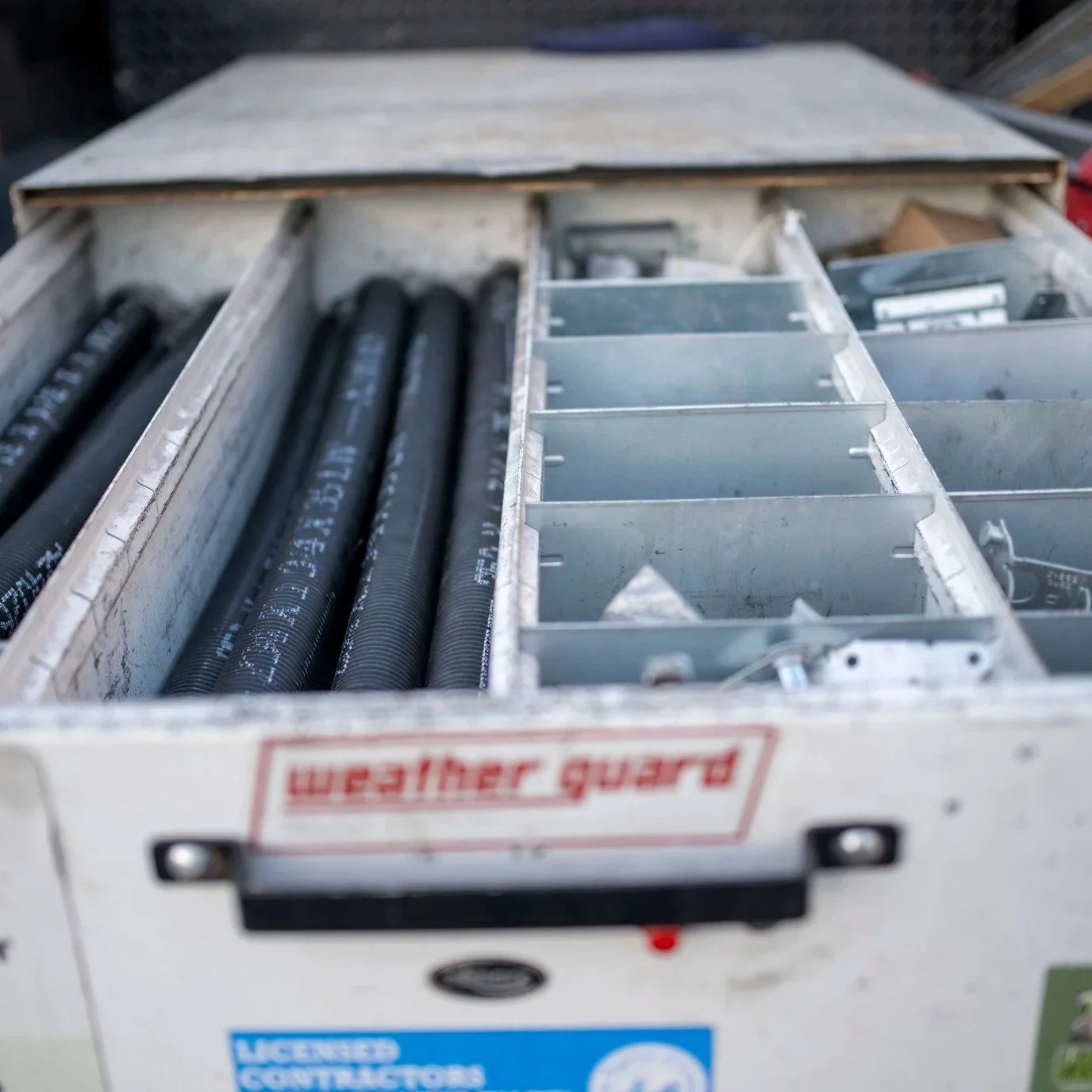
Hinges don’t like the spotlight, but they’re critical to the performance and longevity of garage doors.
Garage doors may look tough on the outside, but their personalities show in the details. One day, they’re gliding like Olympic figure skaters; the next, they’re squeaking like an old rocking chair and refusing to close all the way. Most homeowners assume something major has failed—but quite often, the root of the drama is much smaller. Worn, bent, or rusted hinges can cause all sorts of groans and stubborn movement. Replacing them professionally doesn’t just restore order—it gives the whole door a reason to behave.
Hinges don’t like the spotlight, but they’re critical to the performance and longevity of garage doors. They keep the panels properly aligned, distribute weight across the door’s width, and allow it to flex as it follows the curve of the track. When hinges begin to fail, the door throws a fit—and everyone in the house hears about it.
Why Hinges Have More Power Than You Think
Garage door hinges aren’t just holding panels together. They create the points of movement that allow the door to bend along its segmented design. Without properly functioning hinges, a sectional garage door behaves more like a giant, heavy pancake—flat, rigid, and absolutely not meant to fold.
Different hinges serve different purposes depending on their position. Numbered hinges, such as #1, #2, and #3, each accommodate specific offsets for rollers and panel joints. The wrong hinge in the wrong spot may not look like a big deal from the outside, but it’ll throw off the door’s geometry faster than a toddler with a bucket of Legos.
When hinges are correctly placed, the door moves with fluidity. Each panel tucks into the next, lifting in unison without extra strain. The motor breathes a sigh of relief, the rollers do their job without complaint, and the door doesn’t make unsettling noises at dawn when everyone’s still waking up.
Squeaks Are the Warning Signs That Matter
The occasional creak isn’t unusual, especially during seasonal shifts. But consistent squeaks and groans, especially around the panel joints, are red flags that hinges are beginning to complain. That sound isn’t just metal being melodramatic—it’s often the first sign of wear, rust, or misalignment.
When left too long, squeaky hinges can evolve into stiff joints. Panels may no longer move in sync, forcing the opener to compensate. The extra strain leads to jerky motion, uneven lifting, or outright jams where the door seems to stop mid-motion and think about its life choices.
Hinge wear also causes panels to shift ever so slightly, creating gaps where none should be. That small movement can throw the rollers out of alignment, leading to scraping or popping noises. If one hinge is cracked, loose, or bent, it’s not just underperforming—it’s putting the rest of the system at risk.
Corrosion Doesn’t Knock Before It Moves In
Garage doors are exposed to everything: moisture, road salt, pollen, wind, and the occasional soccer ball. Hinges, particularly those near the bottom of the door, spend their lives in the splash zone. Rust begins small, maybe as a single speck, but once it takes hold, it spreads like gossip at a family reunion.
Rust eats through the protective layer of the metal, weakening the hinge’s integrity and causing the pivot points to seize. A hinge that no longer moves freely doesn’t just squeak—it fights back. The added friction makes the door work harder to move and increases the risk of bolts loosening, screws backing out, or the panel itself warping.
Professional hinge replacement involves more than just swapping rusty metal for shiny new hardware. Technicians examine the surrounding area, looking for signs of moisture buildup, track misalignment, or contact points that are grinding the hinge in ways it was never meant to handle. The new hinge isn’t just an upgrade—it’s a full system reset.
Proper Alignment Is Everything
Misaligned hinges can be sneaky. Sometimes the door still moves, but it jerks slightly, or the panels don’t quite sit flush when closed. In other cases, misalignment causes the rollers to drag along the track, resulting in scraping noises and visible wear marks.
When technicians replace hinges, they also assess whether the original installation was done correctly. Hinges that were overtightened, placed too far off-center, or incorrectly matched to their panel height can gradually lead to structural issues. The replacement process becomes a chance to fix the root cause, not just the symptoms.
Correcting alignment isn’t just about putting things back where they belong. It’s about restoring balance to the entire door system. When panels are straight, rollers glide smoothly, and the door rises evenly from both sides, every component works smarter—not harder.
Hinge Strength Needs to Match the Job
Not all hinges are built the same, and using an underpowered hinge on a heavy garage door is like trying to haul groceries with wet tissue paper. Lighter steel or aluminum doors may use smaller hinges, while larger wood or insulated doors require reinforced versions with additional thickness and support ribs.
Professionals consider the door’s material, weight, and number of panels before selecting the right hinge. A one-size-fits-all approach doesn’t work here. The hinge must support both static weight and dynamic force as the door bends, pivots, and slides multiple times a day.
Higher-quality hinges also feature better materials—galvanized steel, stainless steel, or powder-coated finishes designed to resist corrosion. Cheaper alternatives might function for a while, but they’re not built for long-term service. Professional-grade hinges offer durability that holds up under pressure, season after season.
Securing the Door Starts With the Right Fasteners
Hinge performance depends heavily on how it’s attached. Stripped screw holes, undersized bolts, or reused hardware can all sabotage a perfect installation. Even a perfectly matched hinge won’t last long if it’s wobbling around or only half-secured.
Technicians replace fasteners during every hinge replacement, using hardware that matches the door’s material and thickness. On wood doors, longer screws provide a deeper bite to resist pullout. On steel doors, pre-drilled holes are carefully aligned and torqued to spec, preventing overtightening that could crack the panel’s surface.
A good hinge deserves a solid foundation, and professional replacement means more than a quick swap. It’s a full recalibration of the hinge’s role in the door’s performance.
Replacing One Hinge Often Means Replacing Several
When one hinge starts to fail, the others often aren’t far behind. Professionals usually recommend replacing all hinges at the same panel level, even if only one is visibly damaged. That’s not just overcaution—it’s based on how wear distributes over time.
Panels bend as a unit, and stress spreads across all connecting points. If one hinge has reached the end of its life, the others have shared that same movement. Replacing a single hinge may provide temporary relief, but the next one in line could give out within weeks.
By addressing all the hinges at once, technicians reset the performance of that section of the door. It’s like replacing all four tires instead of just one—you get a smoother, safer ride without chasing problems every few weeks.
Quiet Doors Are Happy Doors
Nothing says “I need attention” like a garage door that squeals every time it opens. Replacing the hinges doesn’t just solve mechanical issues—it restores peace to the entire system. A smooth-moving door doesn’t rattle, screech, or throw itself off-track. It behaves with the kind of grace that doesn’t demand applause—but definitely deserves it.
Professionally installed hinges contribute to more than just silence. They keep the door aligned, reduce strain on the opener, protect against panel wear, and eliminate that cringe-worthy grinding that makes everyone pause mid-sentence. The result is a door that works so well, you’ll almost forget it’s there.
Nothing flashy, nothing dramatic—just a solid performance from parts doing exactly what they’re supposed to. When hinges are replaced properly, the rest of the system falls into place like a perfectly rehearsed routine.
Get comprehensive cable repair and replacement, hinge replacement, remote replacement, garage door drum replacement, and bent door panel replacement with Mesa Garage Door Repair. Serving Mesa, AZ, our licensed and insured technicians ensure that the garage door operates safely and seamlessly. Ours is a locally-owned and operated company that strives to provide the best possible service at affordable prices. Emergency services available. Call now!
