
Enhancing Performance with Quality Spring Installation
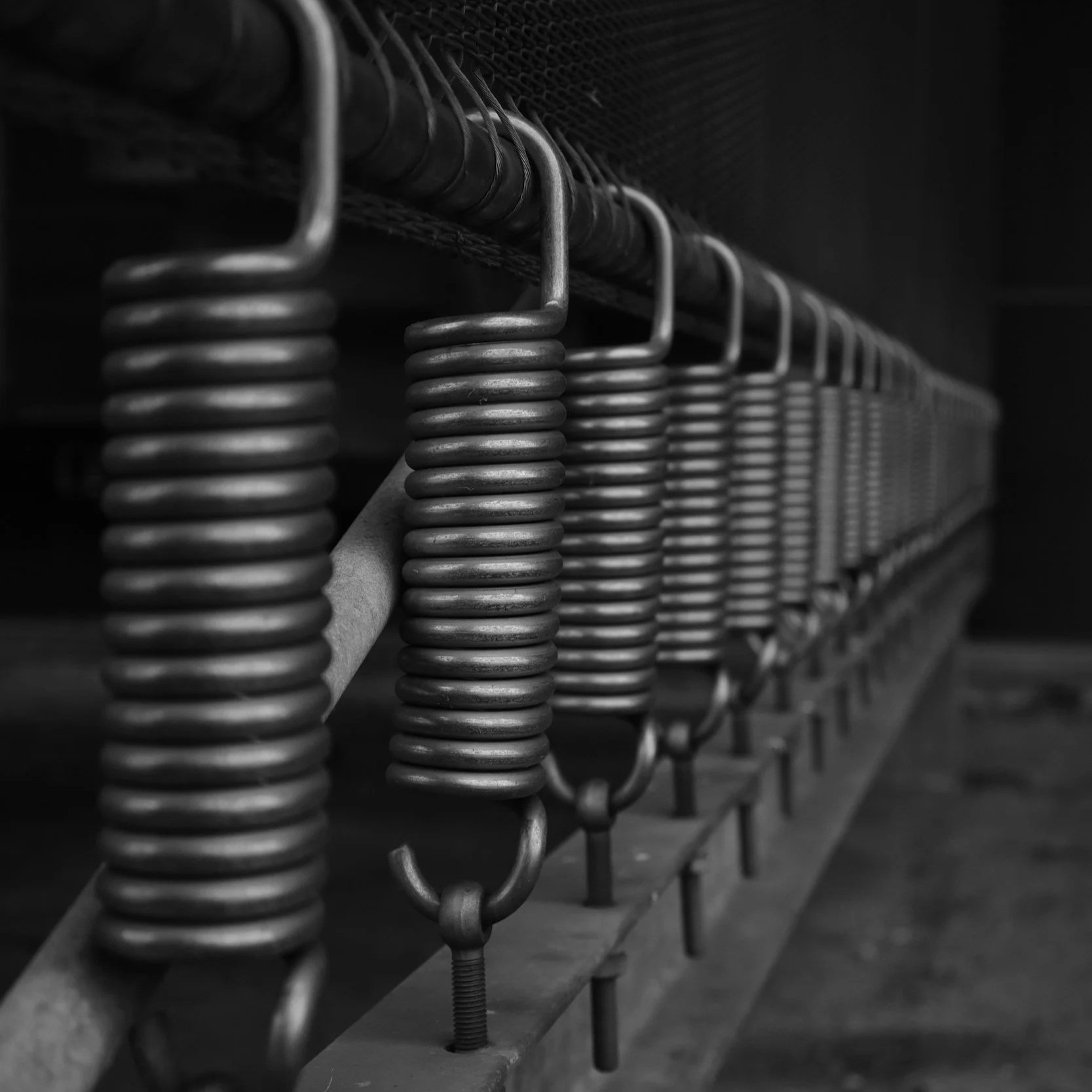
Without the right springs, a garage door becomes a moody, unpredictable beast—slamming shut, refusing to budge, or drifting like a haunted house feature.
Why Springs Matter More Than Most People Think
Springs are the muscle behind every garage door's movement. They're the unsung powerlifters, quietly doing all the heavy lifting while the opener takes the credit. Without the right springs, a garage door becomes a moody, unpredictable beast—slamming shut, refusing to budge, or drifting like a haunted house feature. Springs deserve more respect than they get, considering they're what make the whole operation look smooth.
Springs aren't glamorous, but they're absolutely essential. When installed properly, they balance the door's weight, allow the opener to function efficiently, and support safe operation every single day. A quality spring installation doesn't just influence how the door moves—it affects how long the entire system lasts and how safely it performs.
The Two Types Of Springs And Why They're Not Interchangeable
Garage doors rely on one of two spring systems: torsion or extension. Each has its own quirks, strengths, and peculiarities, and choosing the right one isn't just about picking your favorite flavor.
Torsion springs mount above the garage door and wind up like a coiled snake ready to strike. They provide smoother operation, better balance, and a longer lifespan. Extension springs, on the other hand, run along the sides and stretch like resistance bands. They're more common in older or lighter setups, but they don't offer the same level of precision.
Deciding between them—or replacing them with the correct match—isn't a guessing game. Professionals factor in the size, weight, and type of garage door, as well as its usage frequency. Improvising here can lead to an uneven lift, premature wear, and a door that acts like it's possessed.
Signs The Springs Are Crying Out For Help
Most homeowners don't think about their springs until something goes wildly wrong. The door slams shut with a bang, refuses to open, or sags unevenly like a tired old couch. Sometimes it creaks and groans, sending a clear message that it's had enough.
Broken springs are not subtle. The door may suddenly weigh several hundred pounds, and the opener might struggle like it's pulling a small elephant. In many cases, the emergency release cord ends up doing more harm than good when the spring's tension isn't properly supporting the door.
Catching spring issues early means spotting the signs: gaps in the coils, strange noises during operation, or sluggish movement. But diagnosing and fixing the problem isn't a weekend project. It's a job for someone with the tools, experience, and a healthy respect for mechanical tension.
Why Professional Installation Matters More Than You Think
Spring installation isn't a puzzle you solve with a few YouTube tutorials and a socket wrench. Springs operate under massive tension—enough to cause serious damage or injury if mishandled. That's why professional installation matters.
Trained technicians don't just install springs. They calculate the correct size, length, and strength based on your specific door. They measure cycle life and balance tension with precision. A spring that's too tight or too loose can wreak havoc on other parts of the door system, leading to premature wear on rollers, tracks, and openers.
Professionals come prepared with tools designed for the task. They don't just wing it. They know how to secure the torsion bar, adjust cables, and fine-tune the door's balance until everything operates smoothly. That kind of precision doesn't happen by accident—it's built on experience, not guesswork.
Avoiding The Chain Reaction Of Poor Spring Work
A spring that isn't installed correctly doesn't just work poorly—it drags the whole system down. Misaligned tension can cause the opener to strain harder, the cables to fray faster, and the door to slam or stick. It's like hiring a bad drummer for your band: everything falls out of rhythm.
When one part of the system starts acting up, others soon follow. Poorly installed springs increase the risk of panel warping, track misalignment, and safety sensor confusion. Suddenly, your simple repair turns into a much larger—and much more expensive—problem.
Quality spring work supports the entire system. It keeps things running efficiently, quietly, and safely. And it dramatically reduces the risk of late-night surprises when your door refuses to close, and the forecast calls for rain.
Balancing Isn't Just For Yoga Classes
Balance in a garage door is more than a luxury—it's essential for safety and performance. A properly balanced door stays in place when opened halfway. It doesn't race downward like it's chasing gravity, nor does it drift upward like it's auditioning for a magic trick.
Unbalanced doors create resistance and cause unnecessary wear. The opener works harder, cables fray, and tracks suffer stress. Over time, that imbalance leads to breakdowns and, potentially, accidents.
Professional spring installation includes balance testing. Technicians fine-tune spring tension until the door behaves exactly as it should. That balance helps the opener last longer, reduces noise, and creates a smoother, safer experience with every use.
The Quiet Power Of High-Cycle Springs
Not all springs are created equal. While standard springs are rated for about 10,000 cycles—one cycle being a full open and close—high-cycle springs can offer three to four times that lifespan. For homes where the garage door works overtime, those extra cycles make a big difference.
Families that use the garage as the main entrance, for deliveries, or as a playroom for the kids? They're racking up cycles faster than they realize. High-cycle springs help support that usage without premature wear.
A professional can recommend the right spring grade based on how often the door is used. They'll install it properly and provide maintenance tips to extend its lifespan. Investing in higher-grade springs now helps avoid frequent replacements and frustrating malfunctions later.
Safety First, Drama Never
Garage doors are heavy. Springs are tight. Combine the two without proper care, and things can go south fast. A snapped spring under tension isn't just a loud pop—it can fly loose with dangerous force. That's why safety during installation isn't just important. It's critical.
Professionals use winding bars, clamps, and a step-by-step process that prioritizes safety. They secure the door, isolate the torsion system, and wear protective gear. They're trained to handle unexpected snags and prevent accidents before they happen.
Attempting spring work without experience is like challenging a bear to arm wrestling. The odds are not in your favor. Professional installation removes the risk and leaves you with a smooth-running, safe-to-use door.
The Sweet Sound Of Smooth Operation
When a garage door opens properly, it should sound like a soft whoosh, not a mechanical horror movie. New springs, installed by professionals, transform the door's movement. There's less vibration, fewer rattles, and no jarring stops or starts.
Professionally installed springs eliminate that jerky, lurching motion that makes everyone brace themselves during operation. Instead, the door lifts evenly, descends steadily, and locks into place with quiet confidence. It's a small thing with a big payoff—especially for anyone with light sleepers in the house.
How Quality Springs Affect Curb Appeal And Home Value
Most people think of siding, shutters, and landscaping when it comes to curb appeal. But a garage door that moves with grace, closes flush, and doesn't squeal like an angry banshee? That's part of the picture, too.
A door that slams or stutters drags down the home's overall impression. On the flip side, a well-functioning garage door adds polish. It makes the home feel cared for, maintained, and secure. For anyone selling their property or just trying to keep up with HOA standards, that performance matters.
Replacing or installing quality springs is part of that package. It supports not just safety and function, but the perception of the home's overall upkeep.
Keeping The Performance Going With Ongoing Support
Spring installation isn't a one-and-done situation. Like any moving part, springs need periodic inspections to stay in top shape. Professionals offer follow-up services to check tension, lubricate moving parts, and address early signs of wear.
That kind of ongoing attention extends the life of the springs and the entire garage system. It's not about constant tinkering—it's about thoughtful maintenance by people who understand the mechanics and care about doing the job right.
Springs may not be glamorous, but they're vital. Treat them like the mechanical backbone they are, and they'll keep your garage moving smoothly for years to come.
Mesa Garage Door Repair offers professional repairs, including garage door repair, spring installation and replacement, garage door tune-ups, off-track garage door, and roller replacement to Mesa, AZ, homeowners. We are licensed and insured and aim to provide the best possible solution for all your garage door needs. Call now to schedule an appointment.
